video Private markets
The Hidden Risks of Interval Funds
In this video, Josh Hile covers:
- The $100 Billion Pitch Behind Interval Funds
- Interval Fund Mechanics: Open-End vs. Closed-End vs. Interval
- The 5% Rule: How Quarterly Redemption Caps Actually Work
- Why Interval Funds Took Over the Wealth Management Channel
- What Happens When 20-30% of Investors Try to Exit at Once
- Case Studies: The 2022 Real Estate Gates and the 2026 Private Credit Stress Test
- Are Interval Funds Bad? The Honest, Balanced Take
- Why Manager Selection Matters More Than the Wrapper
- The Questions Every Advisor and Investor Should Ask
Summary
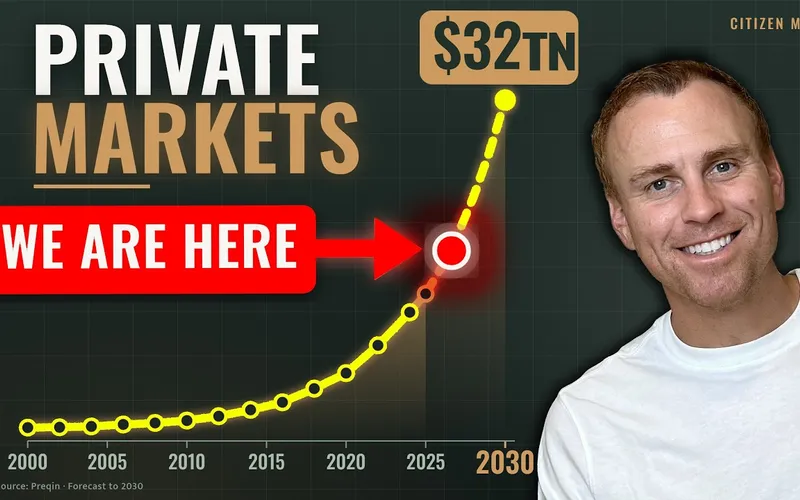
The video notes that more than $100 billion has flowed into interval funds over the past five years. Josh Hile explains how these vehicles work, why they spread through the wealth management channel, and what happens to quarterly liquidity when many investors try to leave at once. He is clear that he is not telling viewers to avoid them.
How interval funds work
Open-end funds, such as mutual funds and ETFs, offer essentially daily liquidity. Closed-end funds trade on an exchange, so investors trade with each other rather than the fund. An interval fund sits in between: it does not trade on an exchange, and instead periodically (usually quarterly) offers to repurchase a limited percentage of its shares, typically capped at 5% of net assets per quarter. If requests exceed the cap, they are prorated and each investor receives only a fraction of what they asked for.
Why interval funds became popular in wealth management
Josh describes three real reasons. Accessibility: lower minimums than a traditional limited partnership, a 1099 instead of a K-1, and a wider pool of eligible investors. Simplicity: advisors can use them in a normal brokerage account without explaining capital calls. Economics: higher fees on private market strategies create revenue for distributors. The result wraps an illiquid strategy in a semi-liquid wrapper.
What happens when redemptions exceed the 5% cap
In a hypothetical $1 billion fund, 5% per quarter equals $50 million. If a shock prompts 15%, 20%, or even 30% of investors to request redemptions in the same window, everyone is prorated and the remainder waits, sometimes for several quarters. Because underlying assets are valued quarterly or annually, often through the manager's own processes, the reported NAV may not fully reflect the stress. Josh calls this "volatility laundering."
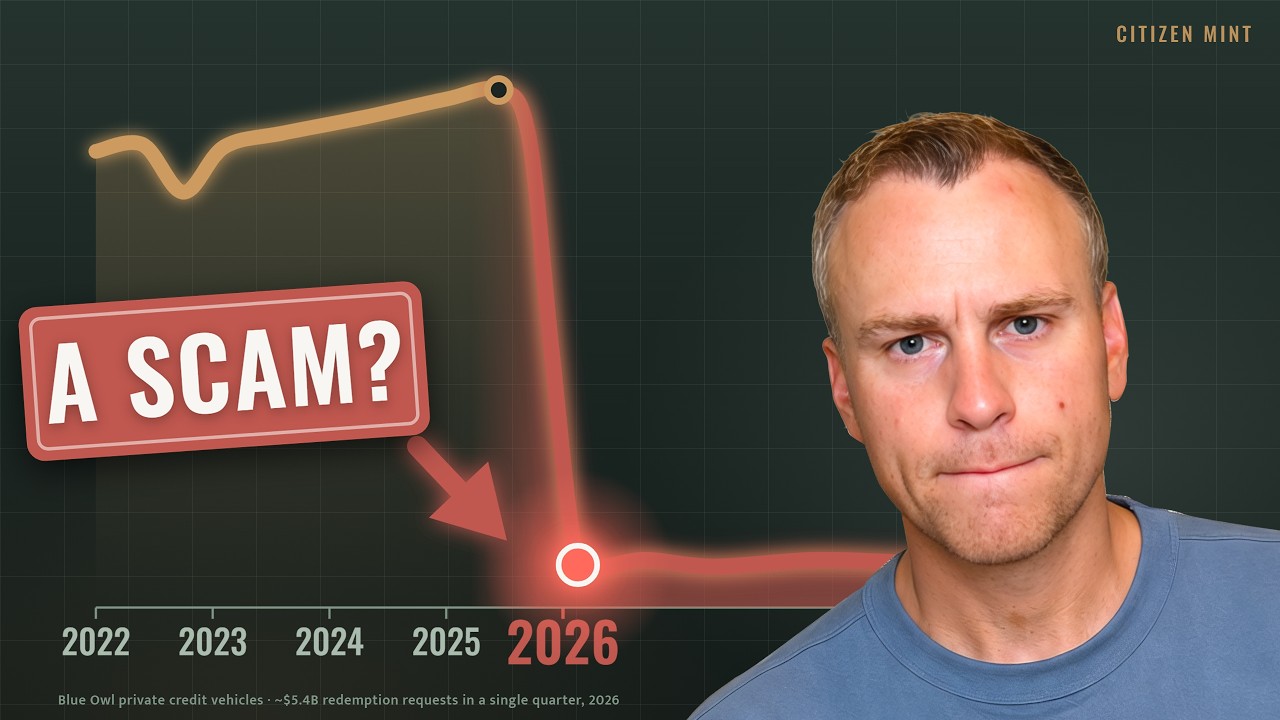
He points to two episodes. In late 2022, as rates rose, Blackstone's BREIT and Starwood's SREIT hit their redemption limits. In 2026, Blue Owl faced roughly $5.4 billion in redemption requests in one quarter across retail focused private credit vehicles, with some funds seeing requests above 20% of shares outstanding and others above 40%. Josh stresses that gates are not proof a fund is failing; they exist to keep managers from becoming forced sellers, though exiting investors experience them very differently.
Questions advisors should ask about interval funds
Josh argues the structure can fit a client with a genuine long horizon, liquidity covered elsewhere, and a full understanding that exits may take extended stretches. The problem is usually framing, because quarterly liquidity sounds like liquidity. He also notes roughly 20 percentage points of IRR separating top and bottom quartile private equity managers, so the strategy inside matters more than the wrapper. His suggested diligence questions:
- How does the strategy behave when 20% of investors try to redeem in the same window?
- How often is the NAV independently verified?
- What is the all-in fee load, net of management, performance, and origination costs?
This video is educational only and is not investment advice. See our disclosures.