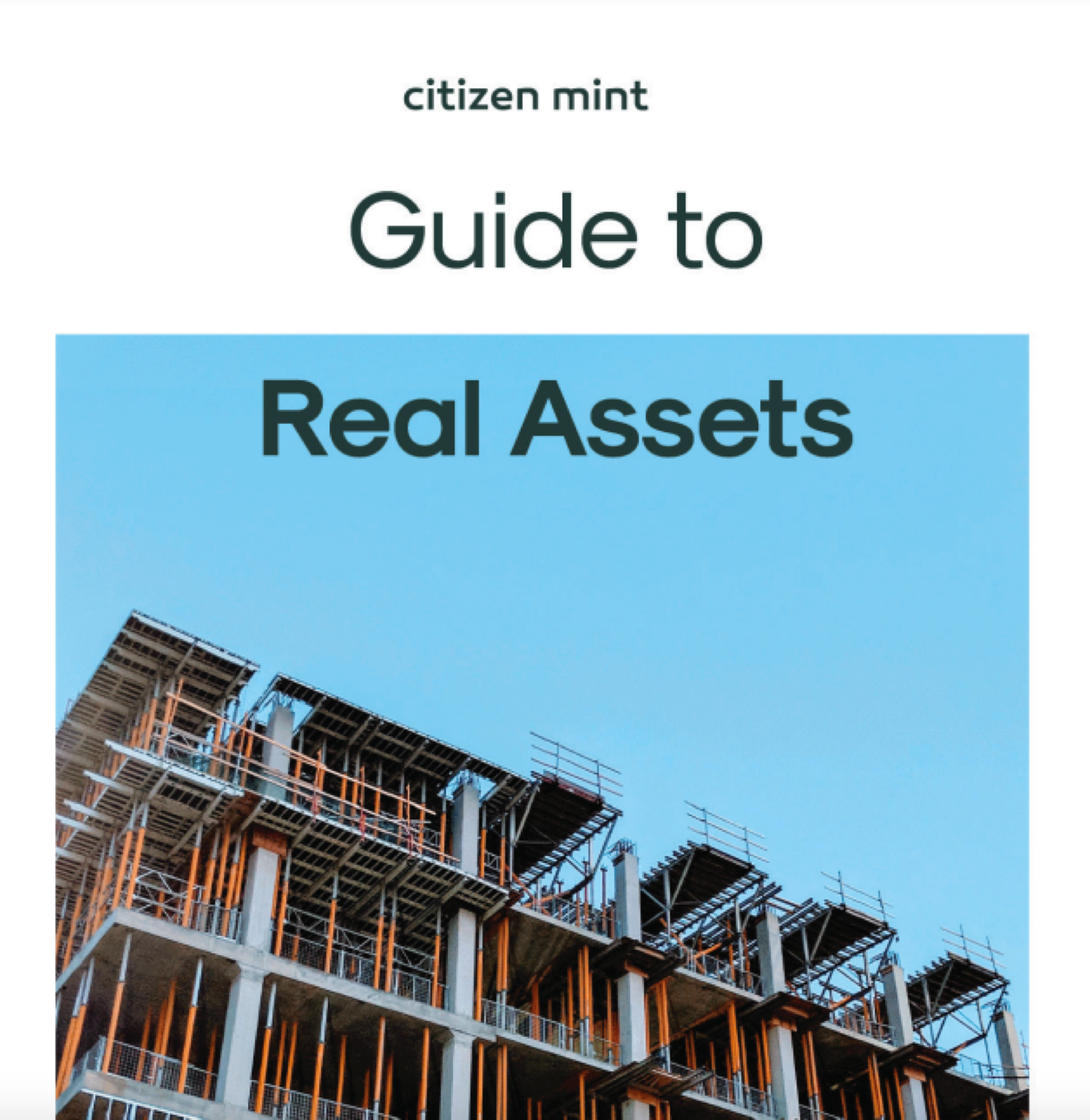
blog Real estate
Property Classes in Real Estate Investing Explained

Real estate investing is a popular way tobuild wealthand generate passive income. One of the most important decisions an investor must make is deciding which type of real estate property to invest in. There are four main property classes in real estate investing: Class A, Class B, Class C, and Class D. Each class has its own unique characteristics, risks, and potential rewards.
REAL ESTATE • INVESTMENTS • METRICS
Class A Properties
Class A properties are generally newer buildings that are in excellent condition and have high-quality amenities. These properties are typically located in prime locations, such as downtown areas or affluent suburbs. Class A properties attract high-end tenants, such as businesses and professionals who are willing to pay premium rents for top-quality facilities.
Investing in Class A properties offers several benefits. They are generally easier to lease, have lower vacancy rates, and are more likely to retain their value during economic downturns. However, Class A properties also come with a higher purchase price and often require significant upfront capital investment.

Class B Properties
Class B properties are older buildings that are generally in good condition but may require some upgrades or renovations. These properties are located in less desirable areas than Class A properties but still offer attractive amenities and features. Class B properties attract middle-income tenants, such as families and young professionals, who are willing to pay reasonable rents for good-quality facilities.

Class C Properties
Class C properties are typically older buildings that require significant upgrades or renovations. These properties are located in less desirable neighborhoods and may have fewer amenities and features than Class A or Class B properties. Class C properties attractlower-income tenantswho are willing to pay lower rents for basic facilities.
Investing in Class C properties can offer higher yields and potential value-add opportunities. However, these properties also come with higher risks, including higher vacancy rates, lower-quality tenants, and lower overall property values.
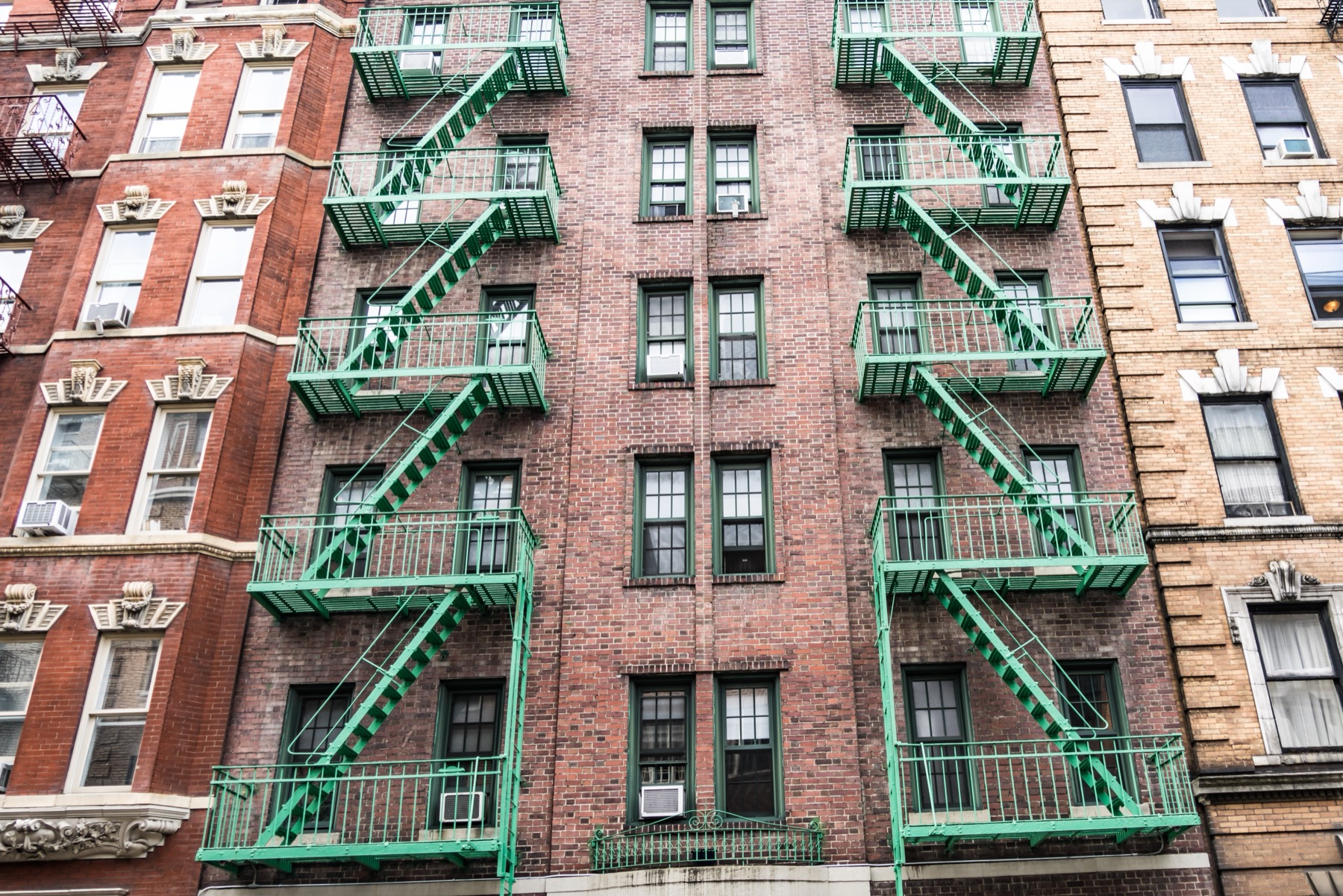
Class D Properties
Class D properties are the riskiest of all the property classes and are generally considered to be the most speculative investment. These properties are typically in poor condition and located in low-income neighborhoods with high crime rates. Class D properties are often distressed, foreclosed, or in need of significant repairs.

Types of Real Estate:
There are numerous types of real estate assets with each asset having defining characteristics that make it valuable.
Land
The first investment type is land which may have either geographic or physical attributes that make it desirable to own. Land can be utilized in many ways and can become highly valuable based on its geographic location or ability to change the use of the land for a specific purpose. In many cases, there is a capital investment necessary to increase the value of land. This could include preparing the land for building through the installation of water, sewer, electricity, drainage, etc. It could also include the addition of agriculture or trees.
Examples of land real estate: Undeveloped raw land, farms & ranches, timberland, orchards, recreational parcels (camping, hunting, fishing), lots in subdivision
Residential
Residential real estate is utilized to house individuals. Residential real estate ranges from single-family houses to large condominium complexes to mobile home. Residential real estate makes up a large amount of the wealth of individuals in the United States given the cost to purchase a home and price appreciation over the time the individual owns the home
Examples of residential real estate: Single family homes, condominiums, town homes, mobile homes
Commercial
Commercial properties are used for general business purposes and generate income for investors.
Examples of commercial real estate: Multi-family apartment complexes, office space (buildings, office parks, medical centers), retail, self-storage, parking lots & garages
Industrial
Industrial real estate properties use can vary dramatically but in most cases are properties that develop, manufacture and hold goods and products.
Examples of industrial real estate: manufacturing, refrigerated storage, storage warehouses & distribution centers, data server farms
Types of Real Estate:
There are numerous types of real estate assets with each asset having defining characteristics that make it valuable.
Land
The first investment type is land which may have either geographic or physical attributes that make it desirable to own. Land can be utilized in many ways and can become highly valuable based on its geographic location or ability to change the use of the land for a specific purpose. In many cases, there is a capital investment necessary to increase the value of land. This could include preparing the land for building through the installation of water, sewer, electricity, drainage, etc. It could also include the addition of agriculture or trees.
Examples of land real estate: Undeveloped raw land, farms & ranches, timberland, orchards, recreational parcels (camping, hunting, fishing), lots in subdivision
Residential
Residential real estate is utilized to house individuals. Residential real estate ranges from single-family houses to large condominium complexes to mobile home. Residential real estate makes up a large amount of the wealth of individuals in the United States given the cost to purchase a home and price appreciation over the time the individual owns the home
Examples of residential real estate: Single family homes, condominiums, town homes, mobile homes
Commercial
Commercial properties are used for general business purposes and generate income for investors.
Examples of commercial real estate: Multi-family apartment complexes, office space (buildings, office parks, medical centers), retail, self-storage, parking lots & garages
Industrial
Industrial real estate properties use can vary dramatically but in most cases are properties that develop, manufacture and hold goods and products.
Examples of industrial real estate: manufacturing, refrigerated storage, storage warehouses & distribution centers, data server farms
Investing in real estate can be a lucrative way to build wealth and generate passive income. However, choosing the right property class is crucial to achieving the desired results. Class A properties offer stability and premium returns but require significant upfront costs. Class B properties offer good-quality facilities with reasonable returns and can be a good choice for investors with moderate resources. Class C properties offer value-add opportunities with higher yields but come with higher risks. Class D properties offer the highest risk and reward potential but require significant expertise and resources to turn the property around. By understanding the unique characteristics of each property class, investors can make informed decisions and achieve their real estate investment goals.
Learn more about real estate and other real assets such as infrastructure and natural resources by downloading our Guide to Real Assets white paper.
Want to learn more?
Sign up to download our Guide to Investing in Real Assets