video Infrastructure and real assets
America's Power Grid Wasn't Built for This
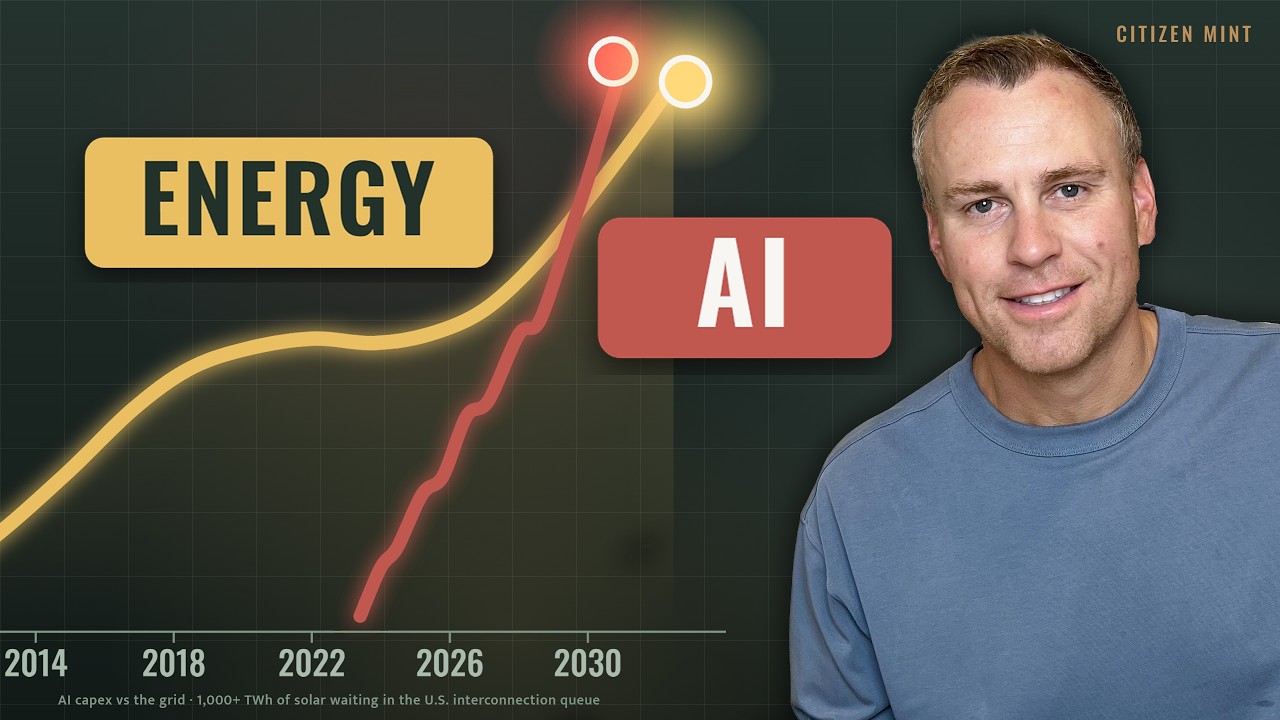
In this video, Josh Hile covers:
- The Setup: AI's Power Problem and a Hidden Opportunity
- How Interconnection Actually Works
- The Queue Has Exploded: 325% Growth Since 2019
- What's Driving the Backlog: AI, EVs, and the Clean Energy Buildout
- FERC Order 2023 and the New Deposit Requirements
- The Three Forces Behind This Opportunity
- How Returns Are Actually Generated
- The Real Risks: Timeline, Regulatory, and Concentration
- Why This Belongs in the Portfolio Conversation
- Call to Action
Summary
In this video, Josh Hile explains how new power projects connect to the US electric grid, why the line of projects waiting to connect has grown so quickly, and why that bottleneck has created a niche private capital opportunity known as interconnection capital.
How grid interconnection works
The grid must stay in balance at all times, so a new generator cannot simply plug in. Grid operators study how a new source will affect voltage, power flow, and system stability. That formal permission process is called interconnection. It requires one or more studies and a deposit to hold a project's place in the queue while studies are completed and upgrades are built. The utility holds the deposit, and if the project does not proceed, the unspent portion is returned.
Why the interconnection queue has grown
Josh points to a 325% increase in interconnection requests from 2019 to 2023. The time from request to generating electricity has increased by nearly 30 months since 2015, with a median wait of over four years in many regions. Drivers include AI data centers, EV manufacturing plants, battery storage, and the solar and wind buildout tied to state clean energy mandates and Inflation Reduction Act incentives.
FERC Order 2023 and the interconnection capital gap
In July 2023, the Federal Energy Regulatory Commission (FERC) issued Order 2023 to reduce speculation and clear the backlog, partly by raising required deposits. The video notes that deposits once in the tens of thousands of dollars are now in the hundreds of thousands, and in the millions for larger projects. Josh describes three converging forces:
- Regulatory reform, which raised capital needs and set clear rules for how deposits are held and returned
- A capital gap, since large utilities can fund their own deposits while small and mid-sized developers often cannot
- Refundability, since deposits sit with the regulated utility in restricted accounts and state tariffs require unspent portions to be returned if a project is withdrawn
He cites the PG&E bankruptcy, in which deposits were treated as unearned funds rather than utility property.
How interconnection capital strategies work, and the risks
According to the video, returns in these strategies come from contractual interest on capital advanced and participation in a project sale when a project completes its studies. Josh explains that these outcomes are tied to a regulatory process rather than long-term power prices or which energy technology wins. He is candid about the risks:
- Timeline risk, if studies or upgrades run past the typical one to two year window
- Regulatory risk, since rule changes could alter deposits, queue mechanics, or refundability
- Project risk, since refundability protects principal in most cases but not necessarily all accrued interest
- Concentration risk in single-project positions
He frames interconnection capital as part of a broader alternatives conversation alongside private credit, infrastructure, and real assets, not a replacement for them.
This video is educational only and is not investment advice. See our disclosures.